Home Moves in Greenwich
If you are planning Home Moves in Greenwich, you already know that moving day is never just about lifting boxes. It is about timing, access, protecting valuables, keeping stress under control, and making sure everything arrives where it should, when it should. Greenwich has its own character, with a mix of period homes, modern apartments, riverside developments, terraced streets, and busy local roads. That means a successful move often depends on local knowledge as much as careful planning.
Whether you are moving from a flat near Greenwich town centre, a family home in Westcombe Park, a riverside apartment, or a larger property close to Blackheath, the right moving service can make a real difference. A local team understands the practical details that matter: narrow access, parking restrictions, lift bookings, stair-only buildings, short loading windows, and the need to work around school runs or work schedules. For many households, the goal is simple: move safely, efficiently, and without unnecessary disruption.
This page is designed for real local customers who want a dependable moving service in Greenwich, clear information about what is included, and straightforward reasons to book with a local mover. If you are comparing options for a house move, flat move, or full domestic relocation, you will find useful details here about planning, preparation, costs, local coverage, and the kinds of situations a professional team can help with.
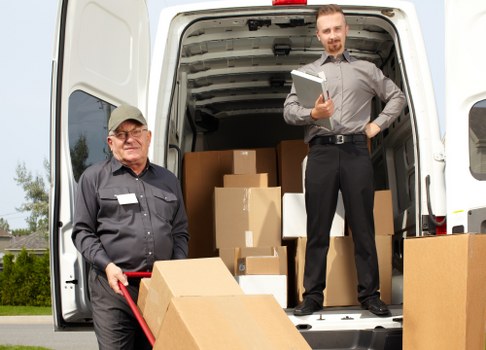
Why choose a local team for home moves in Greenwich?
Moving within or out of Greenwich can be more complicated than it looks on paper. A local removals team brings practical experience of the area, which is especially useful when the day needs to run on time. From the roads around Greenwich Park and Maze Hill to the residential streets leading toward Charlton, Woolwich, Deptford, and Blackheath, local conditions can affect everything from vehicle access to the number of trips required.
Local knowledge matters because it helps with the everyday issues that can slow a move down. For example, some streets offer limited waiting space, some properties have steep staircases or compact entrances, and some developments require residents to use booked loading bays or shared access points. When a mover understands these conditions in advance, the team can plan the right vehicle size, the right crew, and the best arrival time.
There is also peace of mind in choosing a company that works regularly in the area. A local mover is more likely to be familiar with common property types in Greenwich, such as converted Victorian buildings, purpose-built flats, modern riverside apartments, and family homes with loft contents, garden items, and furniture that needs careful dismantling before loading.
What makes Greenwich moves different?
Greenwich is a varied part of south-east London. That variety is one of its strengths, but it also creates moving-day challenges. A move from a top-floor flat with no lift is a very different job from a ground-floor family house with driveway access. In the same area, you may find narrow side roads, controlled parking zones, or busy routes where timing matters. Add in fragile items, large wardrobes, and tight hallways, and the value of a coordinated service becomes clear.
A professional mover will consider these details before the first box is lifted. That means looking at access, parking, item volume, and likely loading time, then matching the move plan to the property rather than using a one-size-fits-all approach. This is especially useful for local residents who want the move completed efficiently without damage to belongings or property.
For customers comparing house removals Greenwich options, the real question is often not just who can carry the furniture, but who can do it smoothly in a busy local environment.

What is included in a home move service?
A well-organised home move service is about more than transport. It should support the customer from the moment the move begins until the final item is placed in the new property. While services can vary, most people booking Home Moves in Greenwich want help with the heavy lifting, secure loading, careful transport, and safe unloading at the destination.
Depending on the size and complexity of the move, the service may also include dismantling and reassembly of selected furniture, protective wrapping for delicate items, and planning for bulky or awkward belongings such as beds, dining tables, wardrobes, mirrors, and appliances. For many customers, these practical touches save time and reduce the physical strain of moving day.
In many cases, customers also want help managing access details. That can include parking considerations, timing the arrival around building rules, or planning a route that avoids unnecessary delays. The best moving service is one that feels organised from the start and adapts to the realities of the property.
Typical moving support may include
- Assessment of the property type, access, and volume of belongings
- Loading and unloading of household items
- Safe handling of furniture, boxes, and fragile items
- Furniture dismantling and reassembly where needed
- Transport for local, nearby, or longer-distance home moves
- Careful positioning of items in the new property
- Optional support for heavier, awkward, or high-value items
Not every move needs every service, which is why flexibility matters. Some customers only need a small team for a flat move, while others need a full household relocation with multiple rooms, garden items, and appliances. A good moving provider should be able to tailor the job to the property and the contents rather than pushing a fixed package.
If you are preparing for a move and want help choosing the right level of support, request a free quote and discuss the details before moving day arrives.

Residential and commercial customers in Greenwich
Although the main focus here is home moving, many local households also need support for small mixed-use moves, short-notice relocations, or moving items linked to home offices, studios, or self-employed workspaces. Greenwich is home to a wide range of residents and property setups, including professionals working from home, families with growing storage needs, downsizers, and tenants moving between rented flats.
Residential customers often need help with one of three common situations: moving into a first home, relocating with a young family, or downsizing into a smaller property. Each has different priorities. First-time movers may need reassurance about how the process works. Families need speed and organisation to limit disruption. Downsizers often need careful sorting, item protection, and flexible loading for belongings that have been kept for years.
Commercial or mixed-use customers may need a mover who can handle desks, office chairs, filing units, archive boxes, and household items in one well-planned job. Even if the move is primarily domestic, many people in Greenwich now work from home and want a mover who understands how to protect laptops, monitors, and work equipment alongside furniture and personal possessions.
Local property types we commonly work with
Greenwich has a broad mix of homes, and that variety shapes the moving process. Typical property types include period terraces, mansion flats, maisonettes, riverside apartments, new-build developments, family houses, and converted buildings with shared entrances. Each layout brings different access and handling requirements, and a local moving team should be ready for all of them.
For example, a flat move may require careful coordination around lifts and communal corridors. A terraced house might involve carrying items through narrow hallways or down basement steps. A riverside property may mean controlled access and timed parking arrangements. These are normal moving conditions in Greenwich, but they still need proper planning.
Because no two homes are exactly the same, it helps to choose a team that treats the move as a practical project, not just a delivery job.
When a specialist approach is useful
Some moves need extra care because of the contents involved. Pianos, antiques, glass tables, artwork, large mirrors, or family heirlooms may require additional protection and handling. A professional moving team should be able to discuss these items clearly and plan around the weight, shape, and fragility of each piece.
Likewise, if your home contains a lot of book boxes, garden tools, kitchen equipment, or awkward furniture, it may be worth arranging a more substantial service rather than underestimating the effort involved. Moving day is always smoother when the workload matches the resources booked.

How the moving process usually works
Most customers want the process to be simple, predictable, and easy to follow. That is exactly how a professional home move should feel. While the details vary depending on property type and volume of belongings, the general process is usually straightforward.
It often starts with an enquiry or quote request. This is the stage where you share the basics: where you are moving from and to, the number of rooms, access details, any awkward items, and your preferred date. The clearer the information, the easier it is to plan the right vehicle and crew.
Next comes preparation. That may involve confirming arrival time, discussing packing needs, and identifying any furniture that needs to be dismantled. On moving day, the team arrives, protects key items where needed, loads the vehicle carefully, and transports everything to the new address. Once there, items are unloaded and placed into the correct rooms, saving you from carrying everything again after a long day.
A simple move timeline
- Initial enquiry – share property details and moving date
- Quote and planning – confirm the likely scope of the job
- Preparation – pack, label, and sort belongings in advance
- Moving day – loading, transport, and unloading
- Final placement – furniture and boxes placed in the right rooms
Good planning reduces stress dramatically. Many move-day problems come from rushing, not from the move itself. If you know what is happening and when, the whole experience becomes more manageable. This is especially true for Greenwich properties where access can be tight and timing matters.
If you are hoping for a smoother day with less lifting and less uncertainty, book your service now and talk through the move before the date gets closer.
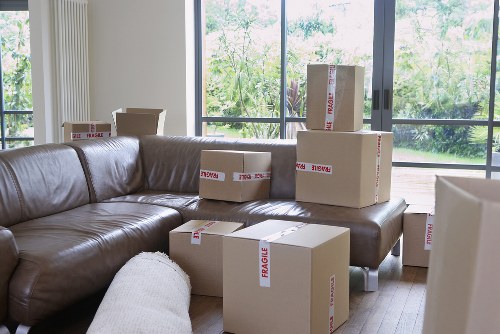
Preparation checklist for Greenwich home moves
Preparing well before moving day helps reduce delays and protects your belongings. A checklist is especially useful when you are balancing work, children, parking arrangements, and access issues at both properties. The following practical steps can make a real difference.
Before moving day
- Confirm the moving date and expected arrival time
- Check parking arrangements at both addresses
- Let building managers or neighbours know if access may be affected
- Pack non-essential items in advance
- Label boxes by room to speed up unloading
- Separate fragile items so they can be handled with extra care
- Empty and defrost appliances if they are being moved
- Keep important documents, keys, and valuables with you
Labeling is one of the simplest ways to save time. If boxes are clearly marked, unloading becomes more efficient and the new property is easier to settle into. It is also wise to create a small essentials bag containing chargers, medication, toiletries, snacks, and a kettle or basic kitchen items for the first night.
For larger households, it can help to pack room by room and keep an inventory of high-value or fragile pieces. That way, you know what has been loaded and where it should go on arrival. A good moving team will appreciate a clear plan and will work with it.
In Greenwich, where flats, terraces, and shared entrances are common, preparation around access is just as important as packing. If lift times need booking or parking is limited, sort those details early to avoid last-minute stress.
Pricing factors for home moves in Greenwich
Customers often want to know what affects the cost of a move, and that is fair. While exact pricing depends on the job, there are several common factors that usually shape a quote. Understanding them helps you compare services properly and choose the right level of help for your budget and your property.
Typical factors that influence the price
- Size of the property – a studio flat is very different from a four-bedroom house
- Volume of belongings – more items require more loading time and space
- Access conditions – stairs, lifts, narrow hallways, and long carries can affect the job
- Distance – local moves within Greenwich may differ from longer relocations
- Complex items – pianos, antiques, and bulky furniture may need extra care
- Packing and dismantling needs – additional services can change the scope of work
- Timing – weekends, short notice, or busy periods can affect availability
It is usually better to provide honest details from the start than to underestimate the scale of the move. If the team arrives expecting a small flat move and finds a full household with difficult access, the day becomes harder for everyone. Clear information leads to a more accurate quote and a smoother process.
If you are comparing options for removals in Greenwich, ask for a quote that reflects the actual property and contents, not just a rough guess. This makes it easier to plan properly and avoid unpleasant surprises.
Why customers value a local Greenwich removal company
There are many reasons people prefer a local mover rather than a company with no knowledge of the area. The biggest reason is practicality. A local company is more likely to understand how Greenwich works in day-to-day life: the traffic patterns, the residential layout, the common access issues, and the type of properties they are likely to encounter.
Local service also tends to feel more responsive. When customers have questions about building access, timing, or what to do with a particular item, they want clear answers from someone who understands the realities of the move. That kind of local support can reduce uncertainty and make the entire process easier to manage.
For many households, trust comes from relevance. If a mover regularly handles local property types and common route challenges, they are better positioned to plan around them. That does not mean every move is identical, but it does mean the team starts with a useful understanding of the area rather than having to learn it on the spot.
Benefits of using a local company
- Better understanding of Greenwich streets and property layouts
- More practical planning around parking and access
- Useful for flats, terraces, and riverside developments
- Suitable for both small household moves and larger relocations
- Support from a team familiar with local moving conditions
That local familiarity can save time on moving day and reduce the chance of avoidable delays. It is one of the main reasons customers continue to look for a Greenwich-based moving service rather than treating every removals company as the same.
Areas covered around Greenwich
A good home moving service for Greenwich should be able to support customers across the wider local area, not just the central town centre. Many people move between nearby neighbourhoods, and that means a mover needs to be comfortable with different streets, different access patterns, and different property types.
Areas commonly covered include Greenwich itself as well as surrounding locations such as Blackheath, Charlton, Maze Hill, Westcombe Park, Deptford, Woolwich, Kidbrooke, and parts of New Cross and Lewisham. Some moves stay within the immediate borough area, while others head further across London or beyond. In both cases, the same principles apply: clear planning, careful loading, and a service built around the customer’s home.
If your move involves two very different property types, such as a larger house and a compact flat, it is even more useful to work with a team that can adapt to changing conditions. A mover experienced in the local area is often better prepared for those contrasts.
Practical tips for moving with children, pets, or busy schedules
Many Greenwich customers are moving while juggling work, school, childcare, or family routines. That can make the day feel crowded before the boxes have even been packed. A good move plan takes real life into account, not just the furniture list.
If you have children, it can help to prepare a separate bag of essentials and keep a few familiar items accessible for the first night in the new home. If you have pets, think ahead about safe spaces, travel arrangements, and reducing noise or interruptions during loading. If you are moving while working, consider which tasks can be completed the day before so you are not trying to do everything at once.
For many families, the most useful moving support is not dramatic or complicated. It is simply the ability to hand over the heavy parts of the job and focus on settling the household in. That is where an experienced removals team can be especially helpful.
FAQs about home moves in Greenwich
How far in advance should I book a home move?
It is sensible to book as early as you can, especially if you are moving during a busy period, at the end of the month, or on a preferred weekend date. Early booking gives you more time to prepare and helps secure the right crew size for your move.
Can you help with flats and top-floor properties?
Yes, flat moves are very common in Greenwich. Top-floor properties, buildings without lifts, and shared entrances are all manageable with the right planning. It helps to share access details in advance so the team can prepare properly.
Do I need to pack everything myself?
Not necessarily. Many customers pack most of their belongings but prefer help with heavy, awkward, or fragile items. Others want support with larger household moves. The level of help can be adjusted to suit your needs.
What if parking is difficult outside my property?
Parking issues are common in parts of Greenwich, especially on busy residential streets. Let the mover know in advance so they can plan around loading access, timing, and vehicle positioning as much as possible.
Can you move furniture that needs dismantling?
Often, yes. Beds, wardrobes, tables, and similar items may need to be taken apart before transport and reassembled at the destination. Mention these items when requesting a quote so the team can plan accordingly.
Do you handle both local and longer-distance moves?
Many home moves start in Greenwich and continue to another part of London or further away. A local team can usually help with both short and longer journeys, depending on the job details.
What should I do if I have fragile or valuable items?
Keep fragile or valuable items flagged early in the process. These may need extra wrapping, special handling, or separate transport planning. It is always better to discuss them before moving day than leave them to the last minute.
Ready to arrange your move?
Planning a house move or flat move in Greenwich does not have to feel overwhelming. With the right support, it becomes a structured job with clear steps, practical preparation, and fewer surprises. A local removals team can help with the heavy lifting, the access planning, and the details that make a real difference on the day.
If you are comparing options for Home Moves in Greenwich, look for a service that understands local property types, street access, and the realities of moving in a busy part of London. Whether you are moving from a first flat, a family house, or a larger home with a lot to transport, professional support can save time and reduce stress.
Contact us today to discuss your move, request a free quote, and get the process underway. If your date is approaching, book your service now and take the next step toward a smoother moving day.