Commercial Moves in Greenwich
Reliable Commercial Moves for Greenwich Businesses

If you are planning Commercial Moves in Greenwich, you are probably balancing more than boxes and desks. You may be trying to protect business continuity, manage staff expectations, keep customers informed, and make sure the move happens with as little disruption as possible. That is especially true in Greenwich, where a business could be based in a period building near the town centre, a modern office space, a retail unit on a busy street, or a warehouse-style premises with tighter loading access and shared entrances.
A well-managed commercial relocation is about timing, planning, and careful handling. Whether you are moving a small office, a clinic, a showroom, a studio, or a larger workplace, the right moving team can make the process much smoother. A local service is valuable because Greenwich has its own access challenges, traffic patterns, parking controls, and building types, all of which can affect the day of the move. Local knowledge matters when time is tight and equipment needs to arrive safely.
Businesses searching for a commercial removal company in Greenwich usually want practical answers: what is included, how long will it take, what needs to be prepared, and how can the move be handled without damaging property or interrupting trade for longer than necessary? This page is designed to answer those questions clearly, so you can decide whether to request a quote, book a survey, or start planning your relocation with confidence.
Why Greenwich Businesses Need a Thoughtful Moving Plan
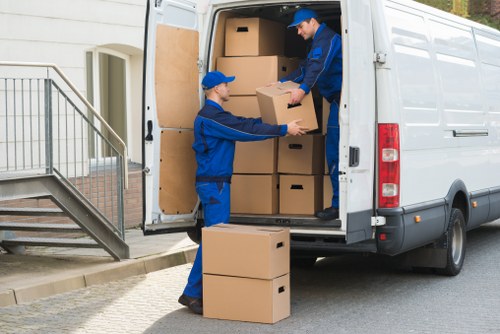
Greenwich is a distinctive place to work. It includes busy high streets, business premises near transport links, office spaces around the town centre, and commercial sites across the wider borough. That variety is one reason commercial relocation services in Greenwich need to be flexible. A one-size-fits-all approach rarely works when a business must move IT equipment, filing systems, retail stock, display units, or specialist items that need extra protection.
Careful planning helps reduce downtime. For many businesses, even a short interruption can affect customer service, scheduled appointments, supplier deliveries, or production deadlines. The best approach is often to build the move around your working hours, access requirements, and the layout of both the old and new premises. A professional team can help you think through the order of tasks, the best loading method, and any restrictions that apply to the building.
Greenwich also has areas where parking can be limited, where vehicle access may need to be timed carefully, or where multiple businesses share entrances and service areas. That is why local commercial movers often spend time assessing route access, lift availability, stairways, door widths, and the safest way to carry items in and out. Small details make a major difference on moving day.
What Commercial Moves Can Include

Commercial removals cover a wide range of business types and property layouts. The service is not limited to office desks and chairs. Depending on your needs, it may involve moving fitted furniture, archived paperwork, stock, specialist equipment, confidential materials, meeting room items, and fragile or high-value goods. The aim is to relocate everything efficiently while keeping your business assets safe.
Common commercial move types in Greenwich include office relocations, shop and retail moves, studio transfers, professional practices, hospitality premises, and small industrial or storage units. Some moves are straightforward, while others need phased relocation so that business operations can continue in part of the building during the process. A good mover should be ready to tailor the approach rather than forcing your business into a fixed process.
It is also worth considering what happens before and after the physical move. A commercial move may need pre-move planning, packing support, furniture dismantling and reassembly, floor protection, and careful placement at the new site. If the move is being done outside normal hours, the schedule needs to be even more precise. A local commercial moving company can help shape a plan that fits your premises and your business priorities.
How the Service Usually Works
The process for Commercial Moves in Greenwich should feel organised from the start. Most businesses prefer a move that begins with a discussion of requirements and ends with everything in the right place at the destination. A clear process helps reduce stress and makes it easier to coordinate with staff, landlords, building managers, and suppliers.
In many cases, the process begins with an initial assessment. This may involve reviewing the size of the premises, the number of items being moved, any delicate or specialist possessions, and the practical challenges at both locations. If needed, the mover may also look at access for vehicles, lift usage, protected flooring, loading times, and the safest way to move bulky items through busy shared spaces.
Once the details are clear, a move plan can be created. This usually covers packing, labelling, move sequencing, dismantling, loading, transport, unloading, and placement at the new site. For businesses with IT systems or confidential records, the plan may also include extra care around secure handling and the order in which equipment is reconnected or stored.
Typical stages in a commercial relocation
- Initial enquiry and discussion of business needs
- Survey of items, access points, and building requirements
- Move planning, scheduling, and task allocation
- Packing or supply of packing materials if needed
- Dismantling of furniture or workstations where required
- Safe loading, transport, and unloading
- Placement of items at the new premises
- Reassembly and basic setup support if included
This structured approach is especially useful for Greenwich businesses that are moving between different property types. For example, an office moving from a shared business building to a new premises near transport links may have very different access considerations from a retail unit relocating to a street-facing site with limited stopping space.
Why a Local Greenwich Team Is Useful

Choosing a local team for business relocation in Greenwich brings practical advantages that become obvious on moving day. Local crews are more likely to understand the roads, parking restrictions, busy periods, and the realities of working in a built-up area. They know that a short distance on a map does not always mean an easy move if there is a narrow access road, controlled parking, a shared courtyard, or a building with limited loading time.
Another advantage is responsiveness. When you are coordinating staff, clients, landlords, and key equipment, it helps to work with a team that understands the local area and can respond quickly to survey requests, questions, and changes in schedule. If your move needs to happen at a specific time of day or over a weekend, local experience can make scheduling much easier.
Greenwich has a mix of older and newer commercial properties, and that means moving teams need to adapt. Older buildings may involve stairs, tighter corners, or less convenient loading points. Newer developments may have service lifts, booked access slots, or building rules that must be followed. A local commercial removals company is more likely to anticipate these issues and prepare accordingly.
Benefits customers often look for
- Familiarity with Greenwich roads and access patterns
- Support for different business sizes and property types
- More efficient planning around local restrictions
- Flexible scheduling for less disruptive moves
- Knowledge of common loading and parking constraints
Types of Businesses We Commonly Help
Commercial removals are never identical, because every business has its own layout, equipment, and time pressures. In Greenwich, teams are often asked to support a wide range of commercial clients. Some need a minimal-disruption move with phased packing, while others want a full relocation done in one coordinated day. The service should be shaped around the needs of the business, not the other way around.
Office moves are among the most common requests, particularly for businesses that need desks, chairs, computers, storage units, and meeting room furniture transferred safely. Professional practices may also need special handling for documents, customer records, and sensitive equipment. Retail customers may be moving stock, fixtures, display units, and point-of-sale items. Each business type brings its own priorities and timing needs.
Commercial moving services can also support workspaces such as design studios, consultancies, tuition centres, small hospitality operations, and light industrial premises. Some customers only need help with the main furniture and equipment, while others require a full-service move including packing, dismantling, transport, and placement. The right mover should be ready to adjust to the scale of the job.
Examples of premises often involved
- Office suites and shared workspaces
- Retail units and shopfronts
- Studios and creative work areas
- Professional practices and consultation rooms
- Hospitality and customer-facing business premises
- Storage spaces and light commercial units
What Is Included in a Commercial Move

What is included in commercial moving services can vary, so it is always sensible to ask for a clear breakdown when you request a quote. Some businesses only need transport, while others need a much broader relocation service. A good provider will explain what is included and what may be available as an added service, so there are no surprises later.
Typical inclusions may involve packing support, furniture protection, dismantling and reassembly, careful loading and unloading, and the safe transport of items between premises. If the move involves fragile equipment or heavy items, the team should use the right lifting methods and protective materials. Attention to detail reduces the chance of damage and delays.
Some commercial moves in Greenwich also benefit from additional planning help. For example, you might need advice on phased moves, weekend relocation, handling of confidential files, or moving items in a way that keeps staff working for as long as possible. If you are not sure what you need, a survey or consultation can help clarify the best setup for your business.
Possible service elements
- Packing materials and packing support
- Labelling for departments, rooms, or workstations
- Furniture dismantling and reassembly
- Protective wrapping for delicate or valuable items
- Transport of office, retail, or specialist equipment
- Placement of items at the new site
- Optional support for phased or out-of-hours moves
Preparing for a Commercial Move
Good preparation makes a huge difference to how a business relocation feels. Even when a professional mover is doing most of the lifting, your own planning helps keep the day efficient. The more organised the business is before move day, the easier it becomes to protect property, reduce delays, and make sure staff know what to do.
Start by identifying which items are moving, which are being discarded, and which should stay in place until the new premises are ready. Businesses often find this to be a helpful time to clear out duplicate paperwork, old furniture, broken equipment, and anything no longer needed. That can make the move easier and reduce the amount of clutter going into the new space.
It also helps to assign responsibilities internally. Someone should be in charge of decisions, access questions, and final checks on the day of the move. If the relocation affects staff desks or customer areas, let everyone know the timetable in advance. Clear communication prevents confusion and helps the move go more smoothly.
Preparation checklist
- Confirm the move date and access times
- Identify items to move, store, recycle, or dispose of
- Back up data and secure important files
- Label departments, rooms, and key equipment
- Notify building managers or landlords if needed
- Arrange parking or loading permissions where required
- Pack personal items and loose valuables separately
- Make sure key staff know their responsibilities
Helpful packing tips for business customers
Use clear labels, keep similar items together, and avoid overfilling boxes. For IT equipment, cables should be organised and, if possible, labelled before disconnecting. Heavy files should be packed in smaller boxes so they remain manageable. Fragile display items or specialist tools may need extra wrapping or custom handling. If you are unsure how best to pack certain items, ask in advance so the move plan can account for them.
Pricing Factors for Commercial Moves in Greenwich
Commercial moving costs are usually shaped by the size and complexity of the job rather than by a simple flat rate. That is why businesses are often asked for details before a quote is prepared. A more accurate estimate can be created when the mover understands the volume of items, access conditions, packing needs, and the timing involved.
Important pricing factors may include the number of staff needed, the distance between premises, the time required, whether packing or dismantling is needed, and whether the move needs to be completed outside normal business hours. Access conditions can also affect cost, especially if there are stairs, long carries, parking limitations, or waiting times due to building rules.
If your business is moving from or within Greenwich, it helps to mention local details early. For example, some areas may have tighter access than expected, and some buildings may require booked loading windows or protection measures in communal areas. Sharing that information at the quotation stage helps avoid delays and makes the quote more relevant to the real job.
Things that often affect the final quote
- Size of the business and amount of furniture or equipment
- Need for packing, dismantling, or reassembly
- Access conditions at both locations
- Distance and travel time between premises
- Timing requirements, such as evenings or weekends
- Special handling for confidential or fragile items
- Need for multiple trips or staged relocation
Access, Parking, and Building Considerations in Greenwich
One of the biggest advantages of using a mover familiar with Greenwich is practical experience with access problems. A commercial move can be delayed by something as simple as a parking restriction, a busy loading area, or a shared building entrance that is harder to use than expected. Planning around these issues early keeps the move on track.
Greenwich includes busy roads, residential-commercial mixed areas, and business premises close to transport routes, so stopping space may be limited at certain times. Some properties have service entrances, some require lift bookings, and others need items carried through internal corridors or staircases. These details should always be checked before moving day rather than discovered in the middle of the job.
It is also sensible to consider the floor layout at both ends of the move. Narrow corridors, fragile flooring, glass doors, secure access systems, and busy shared lobbies can all add to the time and care needed. The more the moving team knows beforehand, the better they can prepare the right equipment and staffing levels.
Nearby areas and local commercial zones often served
- Greenwich town centre
- West Greenwich
- East Greenwich
- Maze Hill
- Blackheath borders
- Deptford and surrounding business areas
- North Greenwich and nearby commercial districts
Why Businesses Choose Professional Help Instead of DIY Moving
Some smaller businesses think about handling a move themselves, especially if they want to reduce immediate costs. However, once you account for time, lifting risk, vehicle suitability, staff disruption, and the possibility of damage, professional help often proves to be the more practical option. This is particularly true for businesses with expensive equipment, multiple workstations, or limited time to complete the relocation.
A professional team brings the right vehicles, lifting equipment, and planning experience. More importantly, it helps reduce the pressure on your staff. Employees can remain focused on their work until the move begins, rather than spending days trying to organise packing, transport, and heavy lifting. That can be valuable if the business still needs to serve clients during the transition.
Efficiency, safety, and continuity are the main reasons many Greenwich companies decide to hire specialists for commercial relocation. The move becomes a managed project rather than a series of last-minute tasks. That can save time, protect assets, and reduce the risk of injuries or avoidable damage.
Business advantages of using a specialist mover
- Less disruption to daily operations
- Safer handling of bulky or delicate items
- Better coordination for building access and timing
- Reduced strain on employees
- More organised unpacking and setup at the new site
How to Choose the Right Commercial Moving Company
When comparing providers for Commercial Moves in Greenwich, it helps to look beyond the basic promise of transportation. The best fit is usually the company that understands your business type, listens carefully to your requirements, and gives you a clear plan for how the move will be managed. That may include surveying both properties, asking about your work schedule, and identifying anything that needs special handling.
Look for signs of practical organisation. A reliable mover should be able to explain how they handle packing, loading, item protection, route planning, and delivery at the destination. They should also be willing to discuss access issues and schedule concerns before the move begins. If a company seems vague about these details, it may not be prepared for a complex business relocation.
Local experience is another important factor. A team that already understands Greenwich streets, parking conditions, and commercial property types is often better placed to create a realistic moving plan. For customers, that means less guesswork and more confidence that the job will run according to plan.
Questions worth asking before you book
- What does the service include?
- Can you help with packing or dismantling?
- How do you handle fragile, confidential, or valuable items?
- What information do you need about access and parking?
- Can the move be arranged outside business hours if needed?
- How should we prepare the premises before move day?
Frequently Asked Questions
How far in advance should I arrange a commercial move?
It is best to start planning as early as possible, especially if your move involves multiple staff members, specialist equipment, or building access restrictions. Early planning gives you more options for scheduling and allows time to deal with packing, labelling, and internal communication.
Can a commercial move be done outside normal hours?
Yes, many businesses prefer evening, weekend, or phased moves to reduce disruption. This can be especially useful for customer-facing premises or offices that need to stay operational during the relocation.
What if my Greenwich building has limited parking or loading space?
This is common in busy areas, so it should be discussed before moving day. A local team can assess the access situation and plan the move around the available space, timing, and any building-specific rules.
Do I need to pack everything myself?
Not always. Some businesses prefer to pack in-house, while others want help with packing materials and full packing support. The right option depends on your timetable, staff availability, and how fragile or confidential the items are.
Can you move office furniture and IT equipment?
Yes, commercial moves often include desks, chairs, filing units, meeting furniture, and computer equipment. It is important to discuss any specialist items beforehand so the team can prepare the right handling approach.
What is the best way to reduce downtime during the move?
Choose a clear schedule, label items carefully, keep key staff informed, and plan the layout of the new premises before moving day. A staged move may also help if your business needs to continue operating during the transition.
Requesting a Quote for Commercial Moves in Greenwich
If you are ready to move forward, the next step is usually to request a tailored quote. The more information you can provide, the more useful the estimate will be. Details such as the business type, premises size, number of items, access conditions, and preferred move date all help build a realistic plan.
When you enquire, try to mention whether you need packing support, dismantling, out-of-hours moving, or help with confidential items. If you are not yet sure exactly what is required, that is fine too. A short conversation or survey can help clarify the options and determine the best approach for your relocation.
For Greenwich businesses, working with a local commercial removal team can make the process simpler from the very start. Whether you are moving a small office, retail space, or a larger commercial unit, the right support can help protect your property, reduce disruption, and keep the move under control. Contact us today to discuss your requirements, request a free quote, or book your service now if you are ready to plan your relocation.
Areas Covered Around Greenwich
Commercial relocation support is often needed across Greenwich and the surrounding districts, especially where businesses are moving between mixed-use buildings, busy town-centre locations, and premises with limited access. A local service is helpful because nearby areas can present different parking, traffic, and access challenges even when they are only a short distance apart.
Common areas covered include Greenwich town centre, West Greenwich, East Greenwich, Maze Hill, Blackheath borders, North Greenwich, Deptford, and nearby commercial zones across the wider area. If your business is based near a transport hub, on a busy road, or within a shared building, it is worth mentioning this early so the move can be planned accordingly.
Whether you are relocating a small professional office or a larger business premises, a well-managed move should be focused on one thing: keeping your business moving while the relocation happens. If you need a team that understands the local area and the demands of commercial removals, Greenwich is the right place to start your enquiry.
Final reminder for business customers
Commercial moves in Greenwich are easier when the moving team understands the local area, the property type, and the timing pressures involved. If you want a smoother relocation with less disruption, take the time to plan early, list your priorities, and ask for a quote based on your real requirements. The best move is the one that helps your business settle in quickly and confidently at the new premises.