Furniture Removals in Greenwich
If you are planning a move in or around Greenwich, choosing the right team for your furniture removals can make the whole process feel far less stressful. Whether you are leaving a riverside apartment, moving into a period terrace, relocating from a modern flat near the station, or fitting out a business space, the practical details matter. Furniture is often the most awkward part of any move: it is heavy, valuable, bulky, and sometimes difficult to get through narrow hallways, staircases, lifts, and tight doorways. A local service that understands Greenwich can save time, reduce hassle, and help protect your belongings and your property.
Greenwich has a distinctive mix of homes and workplaces. You will find listed buildings, mansion blocks, new-build developments, family houses, studio flats, shared accommodation, shops, offices, and hospitality spaces. That variety means no two moves are the same. Some customers need a single sofa moved carefully from one floor to another, while others want a full house’s furniture dismantled, loaded, transported, and reassembled at the other end. Others need flexible help with office desks, boardroom tables, filing units, shelving, and reception furniture. A good furniture removals service should be ready for all of it.
Furniture removals in Greenwich is not just about lifting and driving. It is about planning, careful handling, local knowledge, and making sure the move fits the reality of the area. Parking can be limited, access can be tight, and timing can matter if you are moving near busy roads, on estate roads, or close to local landmarks where traffic builds up quickly. If you want a smoother move, it helps to work with people who know the local streets, understand the common access issues, and can adapt the service to your property.
Furniture removals designed around Greenwich homes and businesses
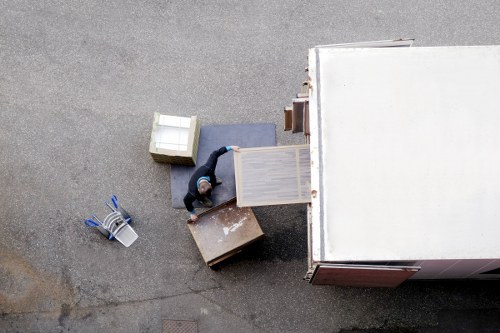
Every move starts with the type of furniture involved. A small move from a one-bedroom flat needs a different approach from a full property relocation. In Greenwich, many customers ask for help with wardrobes, beds, dining tables, sofas, armchairs, sideboards, bookshelves, cabinets, desks, and fragile items such as mirrors or glass-fronted units. Commercial customers may need office furniture removed with minimal disruption to staff and customers.
Local moving teams can plan the job around the type of property, the access conditions, and the items being moved. In a top-floor flat, for example, a sofa may need to be turned, protected, or dismantled before it can leave the building safely. In a mews house or older property, door frames, stair turns, and internal features may require extra caution. In a business setting, furniture often needs to be moved outside working hours or in stages so daily operations can continue.
What makes a local furniture moving service useful is the combination of practical preparation and on-the-day flexibility. If a large item cannot pass through a hallway in one piece, a good team can assess whether it should be dismantled. If a collection of smaller items can be grouped together to save time and trips, they can organise the loading efficiently. That attention to detail is what turns a difficult move into a manageable one.
Why local knowledge matters for Greenwich furniture moves

Greenwich includes a mix of busy streets, residential estates, riverside developments, and quieter neighbourhood roads. That variety creates real logistical challenges for any move. Parking may be limited, loading access may be restricted, and some buildings have rules about moving times, lift use, or protecting communal areas. A local furniture removals team that already understands these conditions can plan better from the start.
For homeowners and tenants, this can mean fewer delays and a smoother experience on moving day. For landlords, letting agents, and property managers, it can mean reduced risk of damage and a more organised handover. For businesses, local familiarity helps with time-sensitive moves, where access to entrances, loading bays, and street parking needs to be arranged efficiently.
Greenwich also has a strong mix of property sizes and styles. You may be moving from a compact flat with tight internal spaces, or from a family home with heavier furniture and more items to transport. In some cases, customers only need assistance with the difficult pieces: a corner sofa, a large wardrobe, a piano bench, or a heavy dining set. In other cases, the service may cover the whole property. Either way, local experience helps reduce stress and keep the move on track.
What is included in a furniture removals service?
Furniture removals services can be tailored to what you need, which is especially helpful if you do not want a full removal package. Some customers want basic transport only, while others need more support from start to finish. A well-planned service usually starts with a clear understanding of the items, access points, and destination.
Typical furniture removals support may include careful lifting, loading, secure transport, unloading, and placement of items in the correct rooms. Depending on the service arrangement, it may also include dismantling and reassembly, protective wrapping, and help moving furniture between floors. If you are moving from or into a storage unit, the service can be adapted to suit that too.
Some customers in Greenwich also ask for help with awkward or delicate items. This might include glass tables, antique cabinets, fitted shelving, large mirrors, modular units, and oversized sofas. The aim is to make the move practical, safe, and organised. If you are unsure what level of support you need, it is usually best to request a quote and explain the furniture involved so the team can advise on the most suitable approach.
Common items handled during furniture removals
- Beds, mattresses, and bed frames
- Wardrobes, chest of drawers, and dressers
- Sofas, armchairs, recliners, and sofa beds
- Dining tables, chairs, and sideboards
- Desks, office chairs, filing furniture, and shelving
- TV units, coffee tables, and display cabinets
- Outdoor furniture and garden seating
- Fragile, oversized, or awkward-shaped pieces
How the service usually works
The process is designed to be straightforward. For many customers, the first step is a quick enquiry with a few details about the move: the property type, the furniture to be moved, the locations involved, and any access issues. That could include stairs, lift restrictions, narrow access paths, parking limitations, or the need for timed entry into a building.
Once the move is agreed, the team can prepare based on the furniture list and the layout at both ends. If dismantling is needed, this may be arranged in advance. If special care is needed for flooring, walls, or communal areas, that can be planned too. On moving day, the furniture is handled carefully, loaded securely, and transported to the destination with the right attention to placement and protection.
For local customers, one of the main benefits is that the service can be shaped around the practical reality of Greenwich rather than forcing a one-size-fits-all approach. That means better time management, less disruption, and a move that feels more in control.
Furniture removals for flats, houses, and period properties

Greenwich has many properties where furniture access is not simple. Flats above shops, apartments in managed blocks, terrace houses with narrow staircases, and older homes with awkward room layouts all need careful handling. Even if a sofa or wardrobe looks straightforward, the route out of the building may be the real challenge.
In flats, lift sizes, corridor widths, and building rules can all affect the job. In houses, steep stairs, small landings, and low ceilings may require items to be turned, lifted at angles, or taken apart. Period properties may also have features that need extra care, such as original floors, decorative walls, or older door frames. A professional team should work slowly and sensibly to avoid damage.
Customers often appreciate a move service that thinks ahead. For example, if a large wardrobe cannot be moved in one piece, it may be safer to dismantle it before transport. If a heavy dining table has fragile legs, those may need protection or removal. If access is especially tight, the moving plan can be adjusted to avoid unnecessary strain and wasted effort. That kind of practical preparation is particularly useful in Greenwich, where property layouts can vary widely.
Commercial furniture removals for Greenwich businesses
Furniture removals are not only for households. Greenwich businesses also need reliable help when offices, shops, studios, and hospitality spaces are changing layout, relocating, or clearing old furniture. Office desks, chairs, reception counters, storage units, meeting tables, and breakout furniture all need to be moved with care, especially where downtime affects staff or customers.
For commercial customers, timing and efficiency are often the biggest priorities. Moves may need to happen before opening hours, after closing time, or at a time that avoids interrupting work. A local team can support staged moves, one-floor relocations, and phased clear-outs when furniture has to be removed gradually rather than all at once. This is useful for smaller businesses as well as larger operations.
Business furniture removals in Greenwich can also involve coordination with building management, shared entrances, or loading restrictions. A service that understands these realities can help reduce the amount of time your team spends dealing with the move. That means fewer delays and a more organised transition to the next stage of your workspace.
Examples of commercial furniture move requests
- Office relocation between buildings or floors
- Removal of old desks and chairs before a refurbishment
- Furniture transport for a new shop fit-out
- Studio or workshop layout changes
- Hospitality furniture movement for seasonal updates
- Storage and redistribution of surplus furniture
Preparation checklist before your move
Good preparation can save time and help the move run more smoothly. Before moving day, it is worth taking a few simple steps so the team can work efficiently and safely. This is especially useful in Greenwich, where access may be limited and every minute counts if parking or loading is time-sensitive.
Preparation does not need to be complicated. The most important thing is to make the move as clear as possible. Separate the furniture you want moved from the items that are staying behind. If possible, empty drawers, remove loose contents from cabinets, and disconnect furniture that has built-in fittings or electrical connections. If dismantling is required, make sure any loose screws, fittings, and fixings are kept together.
It can also help to measure larger items and identify any tight access points in advance. If you are moving from a flat, check whether the lift is available and whether the building has any rules about moving hours. If you are moving from a house, consider whether garden gates, side passages, or narrow hallways could affect the route. Sharing this information early can help the team prepare properly.
Simple checklist for customers
- List every item that needs moving
- Measure large or awkward furniture
- Check access, stairs, lifts, and parking options
- Empty drawers and secure loose contents
- Separate items that need dismantling
- Protect delicate surfaces where needed
- Confirm any building rules or timing restrictions
Pricing factors for furniture removals in Greenwich

Many customers want to know what affects the cost of a furniture move. While exact pricing depends on the job, there are several common factors that usually influence the quote. Understanding these can help you plan more confidently and compare services more fairly.
The main factors often include the number and size of the items, the distance between locations, access conditions, and whether dismantling or reassembly is needed. A simple transport job may be quicker than a full move involving multiple large items, awkward staircases, and timed access. Similarly, a move within Greenwich may be simpler than a move that involves several stops or long-distance transport.
Other factors can include the need for protective materials, the time required for loading and unloading, the presence of fragile or bulky items, and whether the move is residential or commercial. If parking is difficult or if carrying distance is long between the vehicle and the property, that may also affect the effort involved. The best approach is to request a free quote with accurate details so the service can be tailored properly.
Details that help shape an accurate quote
- Type and quantity of furniture
- Floor level and lift availability
- Distance from property to vehicle access
- Need for dismantling or reassembly
- Fragile, heavy, or oversized items
- Residential or commercial move type
- Any time restrictions or building rules
Why choose a local company for furniture removals?
There are many reasons local customers prefer a Greenwich-based furniture removals service. First, local teams tend to understand the area’s roads, housing patterns, and access challenges better than a company arriving from far away. That matters when you need to park efficiently, avoid delays, or work around busy local conditions.
Second, a local company can often be more flexible. If your move needs to be timed around a handover, a refurbishment, or a building management slot, it helps to work with a service that knows the area and can adjust quickly. This can be particularly valuable for last-minute changes, small moves, and jobs involving tricky access.
Third, local knowledge often improves communication. A team familiar with Greenwich can anticipate common issues such as shared entrances, narrow streets, and managed buildings. That means less guesswork and a more practical moving plan. If you are comparing options, it is worth choosing a service that clearly understands the local area and the needs of real customers.
Benefits local customers usually value
- Better understanding of Greenwich properties and roads
- More practical planning for parking and access
- Flexible support for homes and businesses
- Careful handling of valuable furniture
- Less stress on moving day
- Clearer communication about what is needed
Areas covered around Greenwich
Furniture removals in Greenwich often extend beyond the immediate town centre because local customers move across nearby neighbourhoods and surrounding parts of southeast London. This can include riverside developments, residential streets, apartment blocks, and mixed-use areas where furniture needs to be delivered, collected, or relocated.
Nearby locations may include places such as Charlton, Blackheath, Deptford, Woolwich, Maze Hill, Westcombe Park, East Greenwich, North Greenwich, and Lee. Depending on the job, services may also support moves to nearby parts of Lewisham, Canary Wharf connections, and other local destinations within the wider area.
If you are moving from one part of Greenwich to another, or between Greenwich and a nearby neighbourhood, a local service can often make the process simpler than a less familiar provider. The route, parking, and access conditions may all be easier to plan when the team already knows the area well.
Furniture removals for different situations

Customers do not all need the same thing. Some are replacing a single item and need careful transport only. Others are moving into a new home and want several rooms’ worth of furniture handled at once. Some are clearing a property after a tenancy change, while others are upgrading an office and need old items removed before new ones arrive.
That is why flexible furniture removals are so useful. You should be able to arrange help that matches your situation instead of paying for unnecessary extras or trying to manage bulky items yourself. A tailored service can be suitable for tenants, homeowners, landlords, facilities managers, and business owners alike.
Whether you need a single-item collection or a full furniture move, the right service should feel organised, careful, and straightforward. If you are preparing for a move in Greenwich, it is worth thinking not just about transport, but also about access, protection, timing, and how the furniture will be placed at the destination. That is what makes the whole process easier.
Frequently asked questions
Can furniture removals include dismantling and reassembly?
Yes, many customers need help taking apart larger items before they can be moved safely. Reassembly may also be arranged depending on the item and service request. This is especially helpful for wardrobes, beds, modular units, and desks.
Do I need to empty my furniture before the move?
It is usually best to empty drawers, shelves, and cabinets where possible. This makes furniture lighter, reduces the risk of damage, and makes the move safer for the team. If an item needs to stay assembled, it is still worth removing loose contents.
What if my building has limited access or no nearby parking?
That is common in Greenwich, and it should be discussed before the move. A local service can help plan around parking limitations, lift rules, narrow corridors, or long walking distances from the vehicle to the property.
Can you move just one or two pieces of furniture?
Yes. Many customers only need a sofa, table, bed, or other large item moved. A flexible furniture removal service is often the best option when you do not need a full house move.
Do you handle business furniture as well as home furniture?
Absolutely. Offices, shops, studios, and other workplaces often need desks, chairs, shelving, meeting tables, and storage units moved or removed. Commercial furniture removals can often be arranged around business hours.
How far in advance should I book?
It is sensible to book as early as you can, especially if your move depends on a specific handover date, building access slot, or busy period. If your move is more flexible, a shorter notice booking may still be possible.
How to book your furniture removals in Greenwich
If you are ready to move furniture in Greenwich, the easiest next step is to request a quote with a clear description of what needs to be moved. Include the property type, the furniture items, the floors involved, and any access details that could affect the job. The more accurate the information, the easier it is to arrange a service that suits your needs.
For many customers, that first conversation is enough to identify the right level of support. You may only need transport, or you may want dismantling, loading, and placement at the destination too. Either way, the aim is to keep the process practical and reassuring.
Contact us today to request a free quote, discuss your move, or book your service now. If you are planning furniture removals in Greenwich, the right local help can make a real difference to how smoothly the day goes. From flats and family homes to offices and retail spaces, a careful, well-organised service is often the easiest way to move bulky furniture without unnecessary stress.